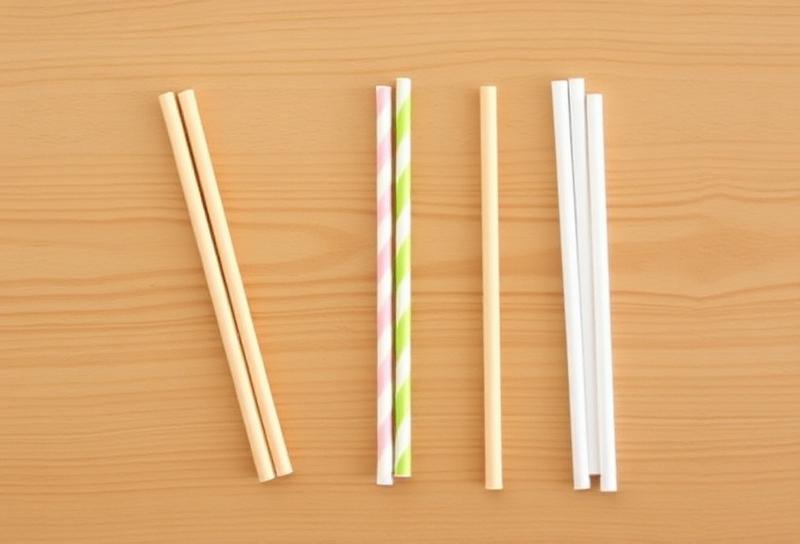
A practical storage guide for venues buying compostable sugarcane straws by the carton.
Compostable straws can last well in storage when they are kept dry, sealed in their carton, and away from heat, steam and direct sun. EcoGreen sugarcane-fibre straws are designed for commercial venue storage, but they should be treated like dry paper stock: moisture and poor handling will shorten their usable condition before service.
The short answer for venues
For a cafe, bar or bubble tea shop, the storage question is less about a printed expiry date and more about the condition of the carton. If the straws are dry, clean, uncrushed and kept away from kitchen humidity, they should remain suitable for normal service rotation.
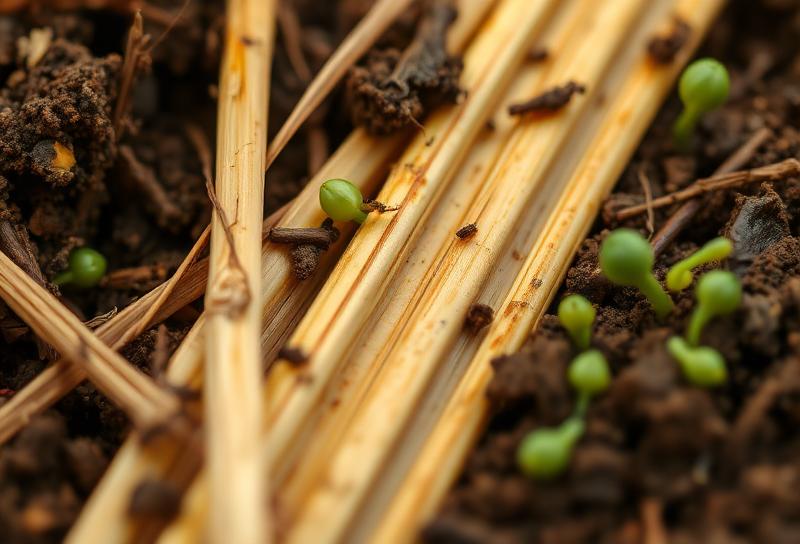
Compostable does not mean the straw starts breaking down on your shelf. EcoGreen straws are certified commercially compostable, which means they break down in about 90 days in a commercial composting facility. That is a controlled processing environment, not a dry storeroom behind a counter.
These straws are not certified home compostable. They also should not be stored as if they are plastic stock that can tolerate damp floors, open cartons or outdoor overflow areas. A compostable product still needs ordinary dry goods discipline.
What affects storage life?
Moisture is the main issue for sugarcane-fibre straws in storage. The material is 100% sugarcane fibre, also called bagasse, with no plastic lining and no PFAS. That is part of why it is suitable for commercial composting, but it also means the carton should stay dry.
Heat and steam matter because hospitality storage is often close to coffee machines, dishwashers, glasswashers, hot water systems or back-of-house prep. A sealed carton beside a dry wall is very different from an open sleeve sitting under a sink or near a steamy pass.
Physical damage is another practical factor. Cartons of straws are light for their size, so they can be crushed if they are stored under heavier stock. A bent straw is still compostable, but it may not be something you want to hand across the counter.
How to store cartons properly
Keep cartons closed until the venue is ready to restock the service area. Once a carton is open, fold it closed or transfer smaller quantities to a clean, dry dispenser or lidded container. Do not leave loose straws exposed near drink prep where splashes are common.
Store cartons off the floor where possible, especially in storerooms that are mopped often. A low shelf is usually enough. The aim is to avoid damp cardboard, accidental spills and contact with cleaning chemicals.
Do not store cartons in direct sun or in a vehicle between deliveries and shifts. A short trip from receiving to the venue is one thing; using a warm car or outdoor shed as stock storage is a different use case. If your venue has very limited dry storage, order in smaller rotations rather than trying to hold too much bulky stock at once.
Use a simple first-in, first-out routine. Put new cartons behind older cartons, and do not open multiple cartons of the same straw size at the same time unless the venue genuinely needs them. This avoids half-used cartons sitting around the bar while sealed stock stays untouched.
Storage by straw type
Regular straws are the everyday option for many cafes and restaurants. EcoGreen Regular Sugarcane Straws are 6mm x 200mm and come in 2,500 pcs for $70.00 or 5,000 pcs for $135.00. If your venue serves water, soft drinks, iced coffee or mixed drinks, keep one open working carton and leave backup cartons sealed.
Cocktail straws are shorter and can be easier to store near the bar because the cartons are for a smaller format product. EcoGreen Cocktail Sugarcane Straws are 6mm x 140mm and come in 2,500 pcs for $55.00 or 5,000 pcs for $110.00. They are usually a poor substitute for tall takeaway drinks, so do not over-order them just because they take up less counter space.
Jumbo straws are a better fit for thicker drinks than regular straws, but they still need dry storage. EcoGreen Jumbo Sugarcane Straws are 8mm x 200mm and come in 2,500 pcs for $100.00 or 5,000 pcs for $195.00. If only part of your menu needs a wider straw, keep jumbo stock separate so staff do not use it for every drink by default.
Bubble tea straws need a little more planning because the cartons are bulkier and the straw is larger. EcoGreen bubble tea straws are 12mm x 220mm, with individually wrapped cartons of 1,800 pcs for $165.00 and unwrapped cartons of 1,800 pcs for $160.00. Wrapped stock can suit venues that want cleaner handling at the counter, but the outer carton still needs to be kept dry.
Does compostability make them fragile?
Compostability is not the same as being weak in a drink. EcoGreen sugarcane straws hold up for 4+ hours in hot and cold drinks without going soggy. That matters for service, especially where drinks sit on a table, in a takeaway bag or at a function.
Storage is different from drink performance. A straw can perform well in a drink and still be affected by a damp storeroom before it ever reaches the customer. The best way to protect the product is to keep the carton sealed until it is needed.
The material is plastic-free, PFAS-free and has no lining. That is useful for venues moving away from conventional plastic or lined paper options, but it also means staff should avoid treating the stock as wipeable plastic inventory. Dry, clean storage is the right standard.
How much should a venue keep on hand?
The right amount depends on weekly usage, storage space and delivery planning. A busy takeaway drinks venue will think differently from a restaurant that only uses straws on request. Start with the straw sizes your menu actually needs, then set a reorder point before the last carton is opened.
EcoGreen ships Australia-wide from NSW through the One World Courier network. Standard delivery is three to seven business days, and express delivery is one to three business days. Freight is quoted live at checkout from the carrier’s real rates and charged at cost, with no markup.
There is no flat shipping rate and no free-shipping threshold. Free warehouse pickup is available for venues that can collect. If freight volume is a concern, remember that straws are bulky-light goods, so carriers often price the shipment by the space cartons take up rather than just how heavy they feel.
For larger purchasing, the bulk orders page is the right place to start. A venue with steady straw use may prefer fewer deliveries and more sealed cartons on hand, while a venue with tight storage may prefer smaller, more regular replenishment. Both approaches can work if the cartons stay dry.
When should you not use old stored straws?
Do not use straws from a carton that has been wet, smells musty, has visible staining, or has been exposed to pests. Even if some straws look acceptable, the stock may not be suitable for customer service. In that case, it is better to remove the carton from service than risk complaints across a whole shift.
Do not use crushed or bent straws for takeaway drinks where the customer will not notice until after leaving. Staff may be able to spot damaged stock quickly when refilling dispensers. A simple check during restocking is easier than dealing with problems at the counter.
If you are unsure whether a stored carton is still suitable, email support@ecogreensupplies.com.au with the product type and what happened to the carton. Practical details help: whether it was sealed, whether it got wet, where it was stored, and whether the issue affects one carton or a full delivery.
Common questions
Do compostable straws expire in storage?
Compostable straws should be managed by storage condition rather than treated as indestructible stock. If EcoGreen sugarcane straws are kept dry, sealed in their carton, away from heat and direct sun, and protected from crushing, they should remain suitable for normal venue rotation. Remove any carton from service if it has been wet, musty, stained or pest affected.
Will sugarcane straws start composting in the carton?
No. EcoGreen sugarcane straws are certified commercially compostable, but that breakdown occurs in a commercial composting facility, where the conditions are controlled. A dry storeroom is not the same environment. The main storage risk for a venue is not spontaneous composting; it is moisture, steam, spills or poor handling damaging the carton or straws.
Can I store compostable straws under the coffee machine or sink?
That is not recommended. Areas under coffee machines, sinks, dishwashers and glasswashers often have steam, leaks, splashes or cleaning chemicals nearby. Store sugarcane straws like dry paper stock: closed carton, clean shelf, off the floor where possible, and away from wet prep areas. Keep only the working quantity near the counter.
Are these straws home compostable if they get too old to use?
EcoGreen sugarcane straws are certified commercially compostable, not certified home compostable. If stock is unsuitable for service because it has become wet, musty, stained or damaged, do not assume a backyard compost bin is the correct disposal path. Check whether your venue has access to a commercial composting collection that accepts this type of product.
Should I buy wrapped or unwrapped bubble tea straws for storage?
Wrapped bubble tea straws can help with handling where staff or customers take straws individually, but the wrapping does not replace proper carton storage. Both wrapped and unwrapped 12mm x 220mm bubble tea straws should be kept dry, sealed until needed and away from steam or spills. Choose wrapped stock for service hygiene and presentation, not as a fix for poor storage.